
Getting Started with Pottery: What to Expect in Your First Class
Learn what happens during your first pottery session — from clay prep to your first wobbly bowl. We break down the basics so there are no surprises.
The First Step Into Clay
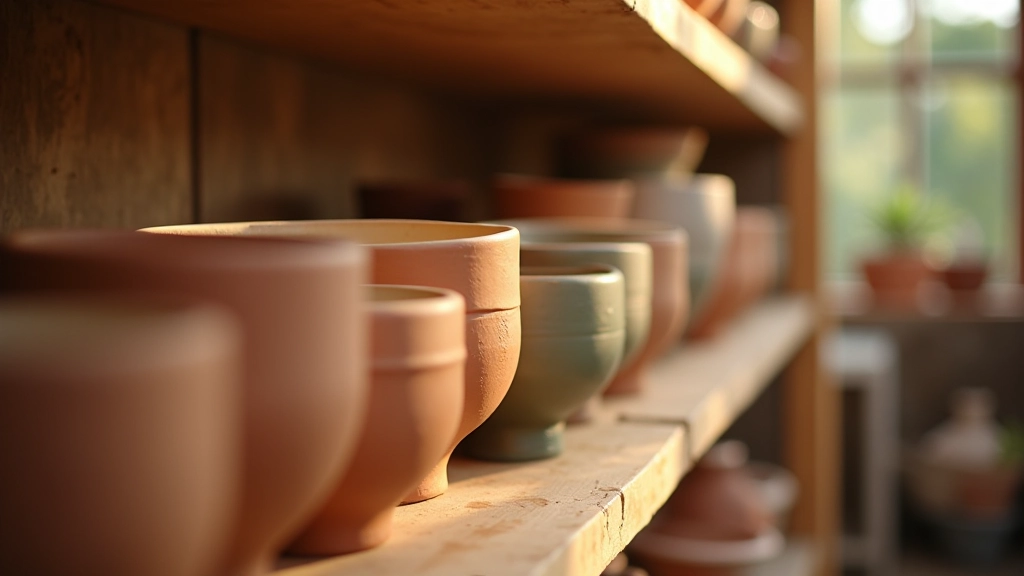
Walking into a pottery studio for the first time can feel intimidating. You’ll see wheels spinning, clay dust floating through afternoon light, and people who look like they know exactly what they’re doing. But here’s the thing — everyone started exactly where you are now. Your first class isn’t about making perfect bowls. It’s about getting your hands dirty, understanding how clay actually behaves, and discovering whether you enjoy the process.
Most beginners expect pottery to be harder than it really is. They’re worried about failing, breaking something, or looking foolish. The truth? The clay doesn’t care. It’s incredibly forgiving. You’ll make mistakes, reshape them, and try again. That’s not failure — that’s learning. And after 90 minutes, you’ll have something you made with your own hands.
What the Studio Actually Looks Like
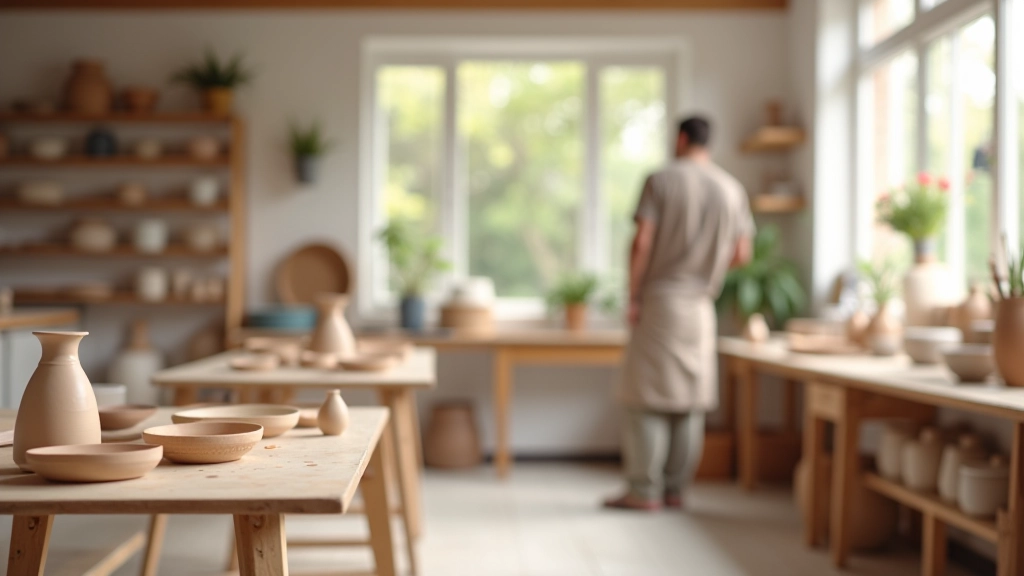
Most pottery studios aren’t glamorous spaces. They’re functional, creative, sometimes a bit messy. You’ll find clay dust everywhere — on the floor, on shelves, probably on someone’s face by the end of class. The good news? That’s completely normal and expected.
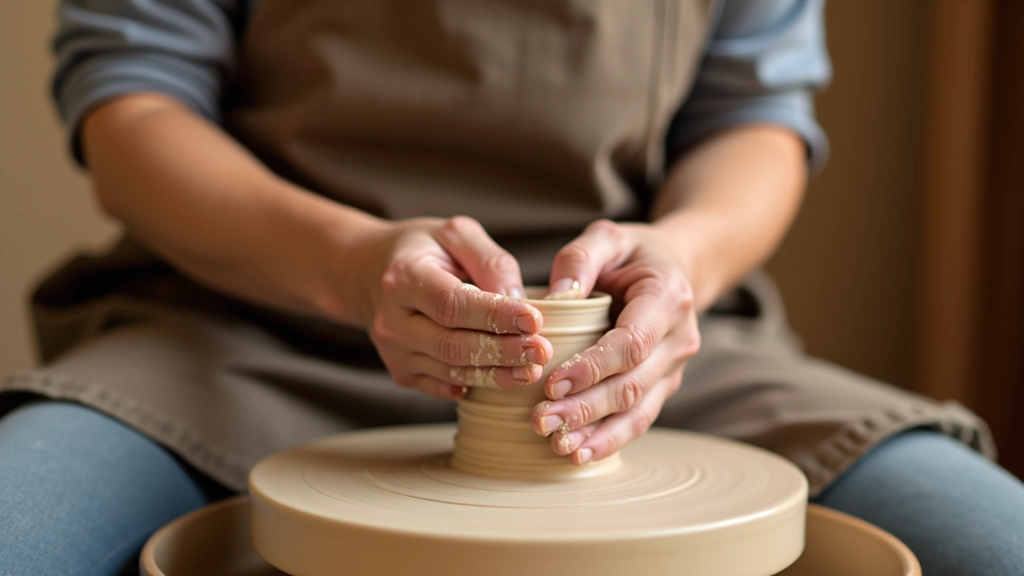
Your station will have a pottery wheel (if you’re doing wheel throwing), a bucket of water, sponges, and clay. Everything’s positioned so you can work comfortably. The wheels make noise — they’re electric and spin at different speeds. You’ll control yours with a foot pedal, much like an old sewing machine. Don’t worry if you’ve never used one before. The instructor will walk you through it step by step.
You’re not expected to bring anything. Most studios provide all materials. Wear clothes you don’t mind getting dirty — jeans and a t-shirt are perfect. Closed-toe shoes are usually required for safety. And maybe tie back long hair if you’ve got it, just so it doesn’t end up in the clay.
How Your 90 Minutes Break Down
Every class follows a similar rhythm. Here’s what you’ll actually experience.
Introduction & Setup (10 minutes)
You’ll arrive, meet the instructor, and get oriented. They’ll show you where everything is — bathrooms, water sources, clay storage. If it’s your first time, they’ll spend a few minutes asking what brought you here and whether you have any previous experience. This isn’t an interrogation. It’s just so they know how much detail to include when explaining things.
Technique Demonstration (15 minutes)
The instructor will demonstrate the specific technique you’re learning today. If you’re doing wheel throwing, they’ll show you how to center clay, open it up, and pull the walls. They’ll do it slowly, explaining what their hands are doing and why. You’ll probably watch them do this 2-3 times. Don’t try to memorize everything — your hands will learn faster than your brain anyway.
Hands-On Practice (50 minutes)
Now it’s your turn. You’ll sit at your wheel with your clay, and the instructor will guide you through the motions. Your first attempt will probably be lumpy and uneven. That’s completely fine. Most people need 3-5 tries to get something that even resembles a bowl. The instructor will be walking around, making small adjustments to your hand position, showing you how to apply pressure, answering questions. This is where the real learning happens.
Cleanup & Reflection (15 minutes)
You’ll clean up your station, rinse your hands (clay doesn’t come off with just water, by the way — there’s usually clay soap available), and the instructor will wrap up. They’ll talk about what you learned, what to expect next time, and how to care for your piece if you’re taking it home to dry. Most studios will fire your work and have it ready in a week or two.
What Actually Happens vs. What You’re Imagining
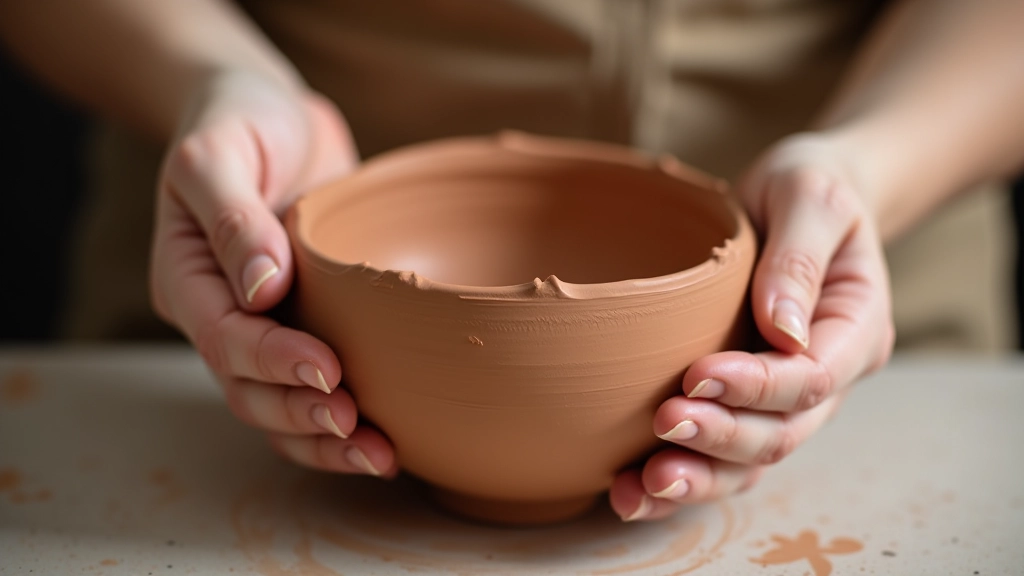
You’re probably picturing yourself gracefully centering clay while it spins, your hands moving with perfect precision. That’s the Instagram version. The real version? Your clay flies off the wheel on your first attempt. You laugh. You try again. It wobbles. You add water. Suddenly it’s off-center by half an inch. You correct it. Your bowl is lopsided but you made it, and that’s the whole point.
“Wasn’t sure about it at first, honestly. But after that first class, I couldn’t stop thinking about it. The instructor was patient, and I actually made something I could hold. Now I’m signed up for the full course.”
— Helena, 52
You’ll probably get clay in places you didn’t expect. Your hands will be sore for a day or two — your forearms more than anything, from applying steady pressure. This soreness goes away after a few classes once your muscles adjust. You might feel a bit tired afterward. You’ve been concentrating intensely for 90 minutes, staying focused, problem-solving. That’s actual work, even though it doesn’t feel like exercise.
Skills You’ll Actually Develop
After one class, you won’t be a potter. But you’ll understand something fundamental about working with your hands.
Hand Control
You’ll learn how to apply steady, even pressure. How light touch makes a difference. How your hands communicate with the clay through feedback. This translates to other crafts too.
Spatial Awareness
You’ll develop a feel for centering — understanding where the clay is in relation to the wheel’s center. This takes practice, but you’ll start grasping it by the end of class one.
Problem-Solving
Clay doesn’t cooperate if something’s wrong. You’ll learn to troubleshoot — is it too wet? Not centered? Spinning too fast? These real-time adjustments build confidence.
Focus & Presence
You can’t do pottery while thinking about emails or grocery lists. Your mind has to be completely present. That meditative quality is one reason people love it so much.

Practical Things to Know Beforehand
Arrive about 10 minutes early. This gives you time to settle in, use the bathroom, and get oriented without feeling rushed. Bring water. You’ll be concentrating hard and your mouth gets dry from the dust. A water bottle solves this completely.
Wear something you genuinely don’t mind getting filthy. Clay stains don’t always wash out. Your nice jeans will survive, but maybe save them for other occasions. Loose sleeves are actually better than tight ones — they give your arms more room to move. And if you’ve got long nails, be aware they might break if you’re not careful. This isn’t a reason not to do pottery, just something to know.
If you have any wrist or shoulder issues, mention it to the instructor before class starts. They can modify techniques or suggest adjustments. They want you to have a good experience, not end up sore.
Don’t eat a huge meal right before class. You’ll be leaning forward over a wheel for 50 minutes, and a full stomach makes that uncomfortable. A light snack an hour before is fine.
After Your First Class
You’ll leave tired, probably a bit sore, covered in clay dust. Your piece will go to the studio to be fired — that takes about a week. In the meantime, you’ll think about what you learned. You’ll probably want to go back.
This is normal. Pottery has a way of getting into your head. The combination of creating something tangible, learning a new skill, and spending focused time away from screens does something good to people. By your second class, your hands will remember more than you expect. By your fourth or fifth class, you’ll start making bowls that actually look intentional. By your tenth class, you’ll be surprised how much you’ve improved.
The first class is just the beginning. It’s not about making perfect pottery — it’s about discovering whether you enjoy the process. Most people who try it do. They come back week after week, and suddenly six months have passed and they’ve got a shelf full of bowls and mugs they made themselves. That’s the real magic of pottery. It’s not the final product. It’s what happens to you while you’re making it.
Ready to get your hands dirty? Find pottery workshops in your area and book your first class.
Explore WorkshopsContinue Your Creative Journey
Disclaimer
This article is for informational purposes only. It describes general experiences and expectations for pottery classes. Individual experiences vary depending on the instructor, studio, class format, and your personal abilities. Always follow the specific instructions and safety guidelines provided by your instructor. If you have any physical limitations, health concerns, or previous injuries affecting your hands, wrists, or shoulders, consult with your instructor before class to discuss modifications. This content doesn’t replace professional instruction or personalized guidance from qualified pottery teachers.